

Many people assume historical replicas are nothing more than decorative wall hangings, but this misses their true value. Collectors and cosplayers understand that quality replicas offer authentic connections to history, fiction, and beloved stories while serving practical purposes from costume wear to reenactment. Whether you're drawn to Viking weaponry, medieval swords, or anime-inspired blades, choosing the right historical replica involves understanding craftsmanship, authenticity, and how these pieces fit your specific needs. This guide reveals what makes historical replicas worth collecting and how to select, care for, and display them effectively.
Table of Contents
- What Are Historical Replicas And Who Chooses Them?
- The Unique Benefits Of Choosing Historical Replicas
- How To Choose The Right Historical Replica For Your Collection Or Cosplay
- Caring For, Displaying, And Using Your Historical Replicas
- Discover Authentic Historical Replicas At Propswords.com
- FAQ
Key takeaways
| Point | Details |
|---|---|
| Authenticity matters | Historical replicas combine accurate details with quality materials for genuine collector value |
| Multiple uses | Replicas serve display, cosplay, reenactment, and storytelling purposes effectively |
| Selection criteria | Consider purpose, weight, material, craftsmanship, and budget when choosing replicas |
| Proper care essential | Regular maintenance and correct display preserve both condition and collectible value |
| Quality sources | Trusted retailers offer verified craftsmanship and historically accurate designs |
What are historical replicas and who chooses them?
Historical replicas are carefully crafted reproductions of weapons and props from actual history or fictional universes. These pieces recreate the design, proportions, and aesthetic details of original artifacts, ranging from medieval longswords to Japanese katanas to fantasy blades from popular anime and films. Unlike mass-produced decorative items, quality replicas prioritize accuracy in dimensions, weight distribution, and visual authenticity.
The community of replica enthusiasts spans diverse interests and backgrounds. Collectors acquire these pieces to preserve cultural heritage or celebrate favorite stories. Reenactors need historically accurate weapons for living history events and educational demonstrations. Cosplayers require durable, realistic props that enhance their character portrayals at conventions and photoshoots. Movie and theater productions source replicas as practical props that photograph well on camera.
Historical replicas fulfill diverse interests including display, reenactment, cosplay and storytelling. Each use case demands different qualities. Display collectors prioritize visual accuracy and fine detail work. Cosplayers need lighter weight pieces that remain comfortable during long convention days. Reenactors seek functional replicas with proper balance and handling characteristics.
The emotional connection drives many purchases. Owning a replica of Aragorn's sword or a Viking warrior's blade creates tangible links to stories and histories that resonate personally. These pieces become conversation starters, focal points in home decor, and physical manifestations of passion for particular eras or franchises.
Primary purposes for historical replicas include:
- Home display as art pieces and collection centerpieces
- Costume enhancement for cosplay and convention appearances
- Historical reenactment and educational demonstrations
- Film, theater, and photography props
- Gifts for enthusiasts and collectors
- Investment pieces that appreciate over time
Materials vary significantly based on intended use and price point. High-end replicas use carbon steel, brass fittings, and genuine leather wrappings. Mid-range options might feature stainless steel blades with synthetic handle materials. Budget-friendly versions often use zinc alloy or reinforced plastic, suitable for costume wear but lacking the heft of metal construction.
The unique benefits of choosing historical replicas
Authentic replicas provide tangible connections to the past or fictional worlds that photographs and books cannot match. Holding a well-crafted Viking sword replica lets you feel the weight and balance that warriors experienced centuries ago. Displaying an anime sword brings a beloved character's weapon into your living space as a three-dimensional tribute. This physical presence creates deeper engagement with history and storytelling.
Craftsmanship quality separates true replicas from generic props. Skilled artisans study original artifacts or detailed reference materials to reproduce accurate proportions, edge geometry, and decorative elements. Hand-forged blades show hammer marks and subtle variations that machine-made copies lack. Attention to pommel design, crossguard shape, and grip texture demonstrates commitment to historical or fictional accuracy.
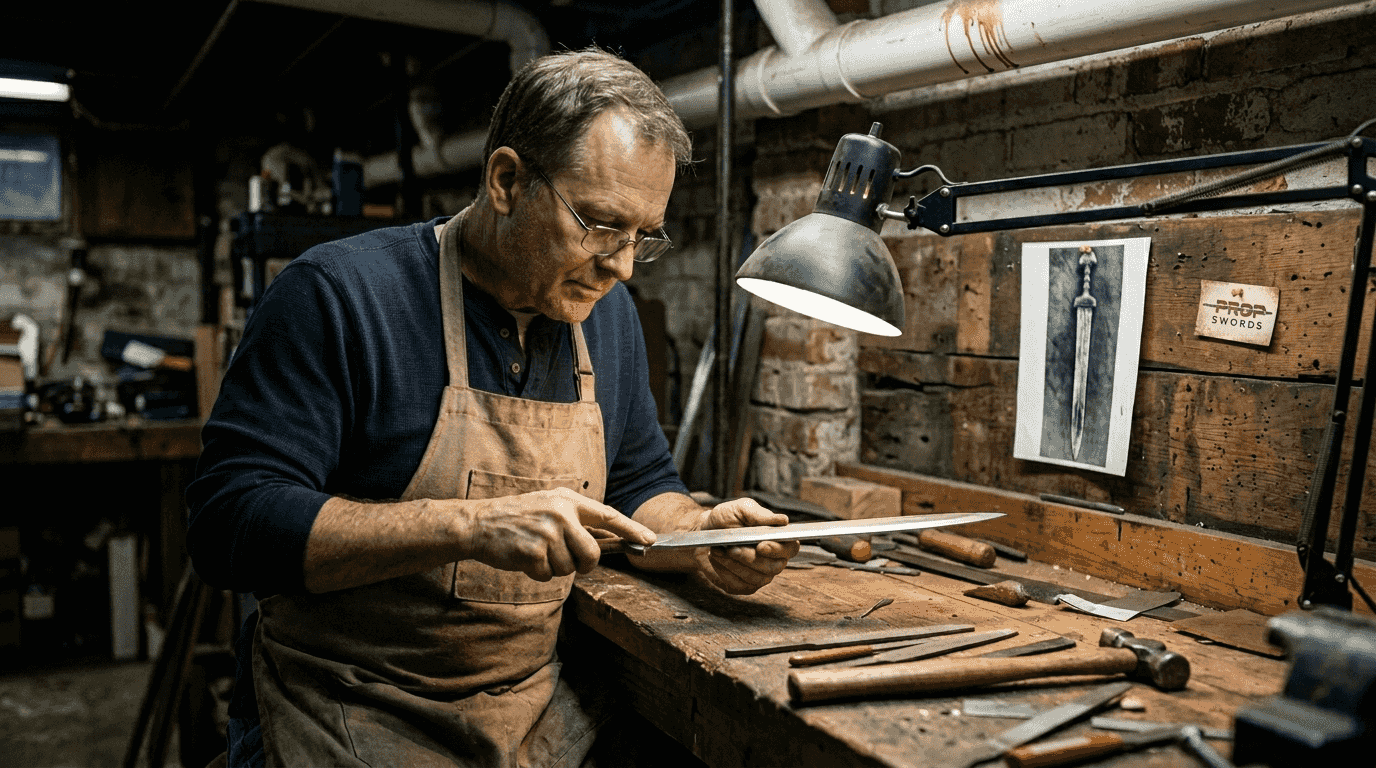
Collectors often choose replicas for authenticity and practical use such as reenactment and cosplay. The emotional value extends beyond mere ownership. Each piece tells a story, whether representing a pivotal historical battle, a favorite movie scene, or a character's journey. Collectors often research the background of their replicas, learning about metallurgy techniques, historical combat styles, or the production design choices behind fictional weapons.
Versatility makes replicas valuable for multiple purposes. A quality medieval sword replica might hang on your wall most of the year, then serve as your costume centerpiece at a Renaissance faire. The same piece could appear in amateur film projects or educational presentations about medieval warfare. This multi-use functionality justifies higher investment in well-made replicas.
Durability matters especially for cosplayers and reenactors. Quality replicas withstand repeated handling, transport to events, and outdoor conditions without deteriorating. Properly treated steel resists corrosion. Secure construction prevents hilts from loosening or decorative elements from falling off during use. This reliability ensures your replica remains presentable and functional across many events.
Key benefits of choosing historical replicas:
- Authentic design details that honor original sources
- Superior materials and construction compared to generic props
- Emotional satisfaction from owning pieces connected to beloved stories
- Practical functionality for cosplay, display, and reenactment
- Investment potential as collectibles that maintain or increase value
- Educational value in understanding historical craftsmanship
Pro Tip: When choosing replicas, prioritize craftsmanship and historical accuracy for lasting value. A well-made piece remains satisfying for years, while cheap alternatives often disappoint quickly and require replacement.
The storytelling aspect cannot be overstated. Every replica represents a narrative, whether historical fact or fictional adventure. Sharing these stories with guests who admire your collection deepens appreciation for the craftsmanship and cultural significance behind each piece.
How to choose the right historical replica for your collection or cosplay
Selecting the perfect replica requires evaluating several key factors aligned with your specific goals. Purpose drives every other decision. Display pieces can prioritize visual impact over practical handling, while cosplay replicas need comfortable weight and secure construction for extended wear. Reenactment weapons demand historical accuracy in balance and handling characteristics.
Authenticity levels vary significantly across replica categories. Museum-quality reproductions faithfully recreate every detail of original artifacts, including period-appropriate construction techniques and materials. Mid-tier replicas capture the overall appearance and proportions while using modern manufacturing methods. Fantasy and anime replicas prioritize matching fictional designs rather than historical accuracy.
Material selection impacts weight, durability, appearance, and price. Carbon steel offers authentic heft and can be sharpened, though it requires maintenance to prevent rust. Stainless steel resists corrosion better but weighs differently than historical weapons. Zinc alloy and reinforced plastics provide lightweight alternatives suitable for costume wear but lack the substantial feel of metal.
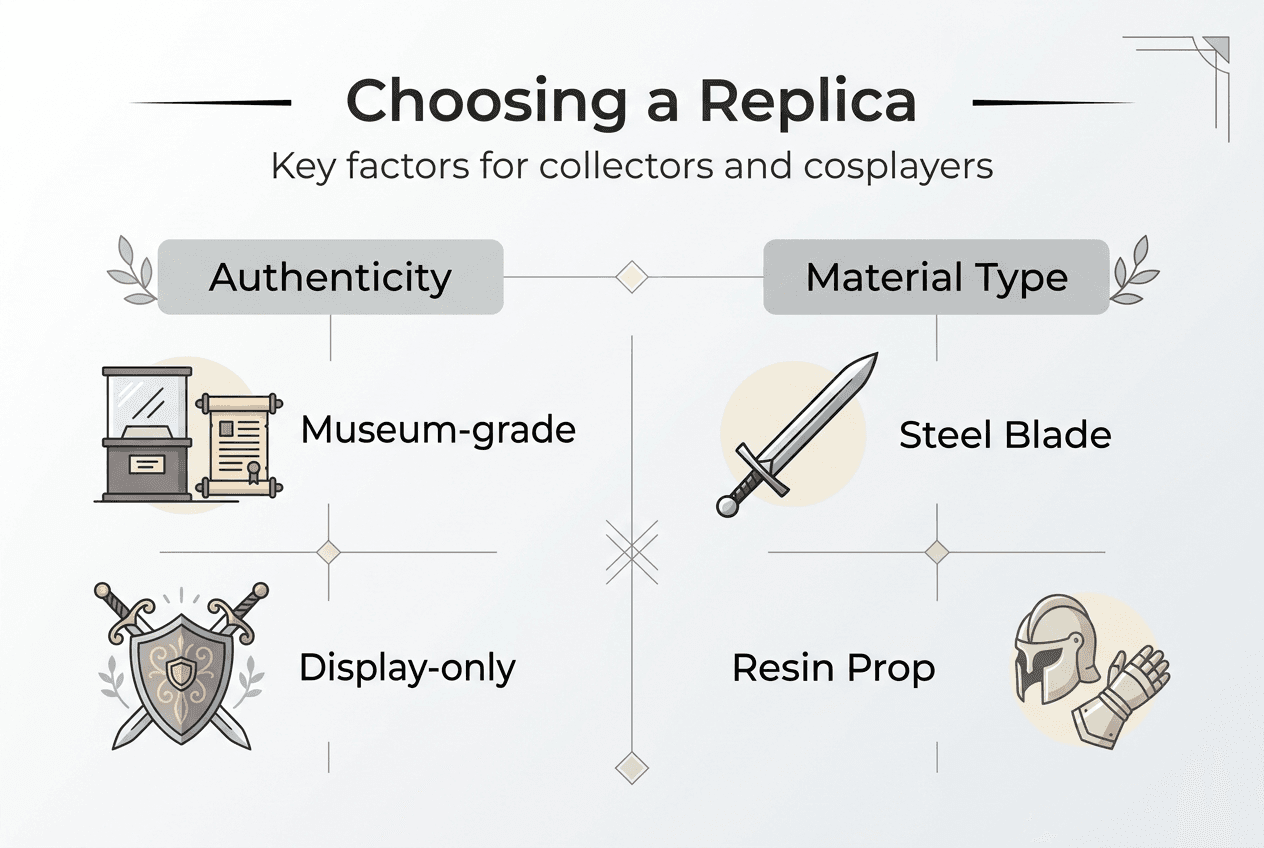
There are distinct types of historical replicas varying in weight, length, and detail suited to different uses. Understanding these categories helps match replicas to your needs.
| Replica Type | Weight Range | Primary Use | Detail Level | Price Range |
|---|---|---|---|---|
| Museum Quality | 1.5-2.5 kg | Display, serious collecting | Historically accurate, hand-forged details | $300-$1500+ |
| Functional | 1.1-1.8 kg | Reenactment, martial arts practice | Accurate balance, durable construction | $150-$600 |
| Decorative Display | 0.8-1.5 kg | Wall mounting, photography | Visual accuracy, lighter materials | $80-$300 |
| Cosplay Grade | 0.3-0.9 kg | Costume wear, conventions | Character accurate, comfortable carry | $40-$200 |
Follow this decision-making process:
- Define your primary use case clearly, whether display, cosplay, reenactment, or collecting
- Choose your preferred historical period or fictional universe to narrow options
- Consider material and weight requirements based on how you'll handle the replica
- Verify craftsmanship standards by examining blade finish, fitting tightness, and detail accuracy
- Set a realistic budget that allows quality construction within your price range
Manufacturer reputation significantly affects satisfaction. Established replica makers provide detailed specifications, use quality materials, and stand behind their products. Customer reviews reveal real-world performance, durability issues, and accuracy concerns that marketing materials omit. Look for feedback from users with similar purposes to yours.
Size and proportion matter more than many buyers initially realize. A sword that looks impressive in photos might feel awkward when you actually hold it. Blade length affects display space requirements and portability to events. Handle size must fit your hand comfortably if you plan to carry or pose with the replica.
Pro Tip: Test replica balance and comfort if planning to wear it for cosplay or reenactment. Many retailers offer detailed specifications including point of balance measurements that help predict handling characteristics before purchase.
Budget considerations extend beyond initial purchase price. Quality replicas require maintenance supplies like oil for steel blades and proper storage or display solutions. Shipping costs for heavy items can add significantly to total expense. Factor in these ongoing costs when setting your budget.
Caring for, displaying, and using your historical replicas
Proper maintenance preserves both the appearance and structural integrity of historical replicas. Steel blades require regular attention to prevent corrosion, especially in humid environments. Apply a thin coat of mineral oil or specialized blade oil every few months, wiping away excess to prevent dust accumulation. Check fittings periodically to ensure pommels, crossguards, and handle wrappings remain secure.
Cleaning routines should match your replica's materials and finish. Use soft cloths to remove fingerprints and dust from polished surfaces. Avoid abrasive cleaners that scratch decorative elements or remove protective coatings. For stubborn spots on steel, use very fine steel wool or specialized metal polish, always following the grain of the metal. Leather-wrapped handles benefit from occasional conditioning with appropriate leather care products.
Display strategies enhance visual impact while protecting your collection. Wall-mounted sword hangers position replicas at eye level where details shine. Horizontal displays work well for longer pieces, while vertical mounting suits shorter weapons and saves space. Ensure mounting hardware supports the replica's weight adequately, using wall studs rather than drywall alone for heavier pieces.
Lighting dramatically affects display appeal. Spotlights or directional LED strips highlight blade patterns, engravings, and decorative elements. Position lights to minimize glare on polished surfaces while creating depth through strategic shadows. Natural light displays beautifully but can fade leather and wood components over time, so consider UV-filtering glass for cases near windows.
Proper care and display preserve emotional and monetary value of replica swords. Protective cases offer the ultimate safeguard against dust, humidity, and accidental damage. Glass-front cases allow full visibility while preventing handling by curious guests. Climate-controlled display environments prevent moisture damage in humid regions or during seasonal changes.
Safe handling practices prevent injury and damage during cosplay or reenactment use:
- Always treat replicas as real weapons, maintaining awareness of blade position and surroundings
- Use proper sword bags or cases for transport to events, padding the blade to prevent scratches
- Inspect fittings before each use, tightening any loose components immediately
- Avoid striking replicas against hard surfaces or other weapons unless specifically designed for contact
- Keep fingers clear of edges even on unsharpened replicas to prevent pinching injuries
- Store replicas in dry locations away from temperature extremes when not displayed
Storage solutions matter when rotating displays or protecting seasonal pieces. Horizontal racks prevent warping of longer blades. Individual sword bags protect finishes during storage and stacking. Climate-controlled storage prevents rust in humid basements or temperature swings in attics and garages.
The emotional satisfaction of well-maintained replicas extends beyond aesthetics. Caring for your collection demonstrates respect for the craftsmanship and stories these pieces represent. Regular maintenance becomes a meditative practice, connecting you more deeply with each replica's character and history. This ongoing relationship enhances the joy of ownership far beyond the initial purchase excitement.
Discover authentic historical replicas at propswords.com
Finding quality historical replicas that match your collection goals or cosplay needs requires a trusted source with proven expertise. Propswords specializes in curating historically accurate and fiction-inspired replicas that satisfy both serious collectors and enthusiastic cosplayers. Their selection spans Viking weapons, medieval swords, anime blades, and movie-inspired pieces, each chosen for craftsmanship quality and design authenticity.
Expert quality control ensures every piece meets durability standards for display or functional use. Detailed product specifications help you make informed choices about weight, materials, and dimensions before purchasing. The site's educational blog posts provide guidance on selection, care, and display techniques that maximize your investment.
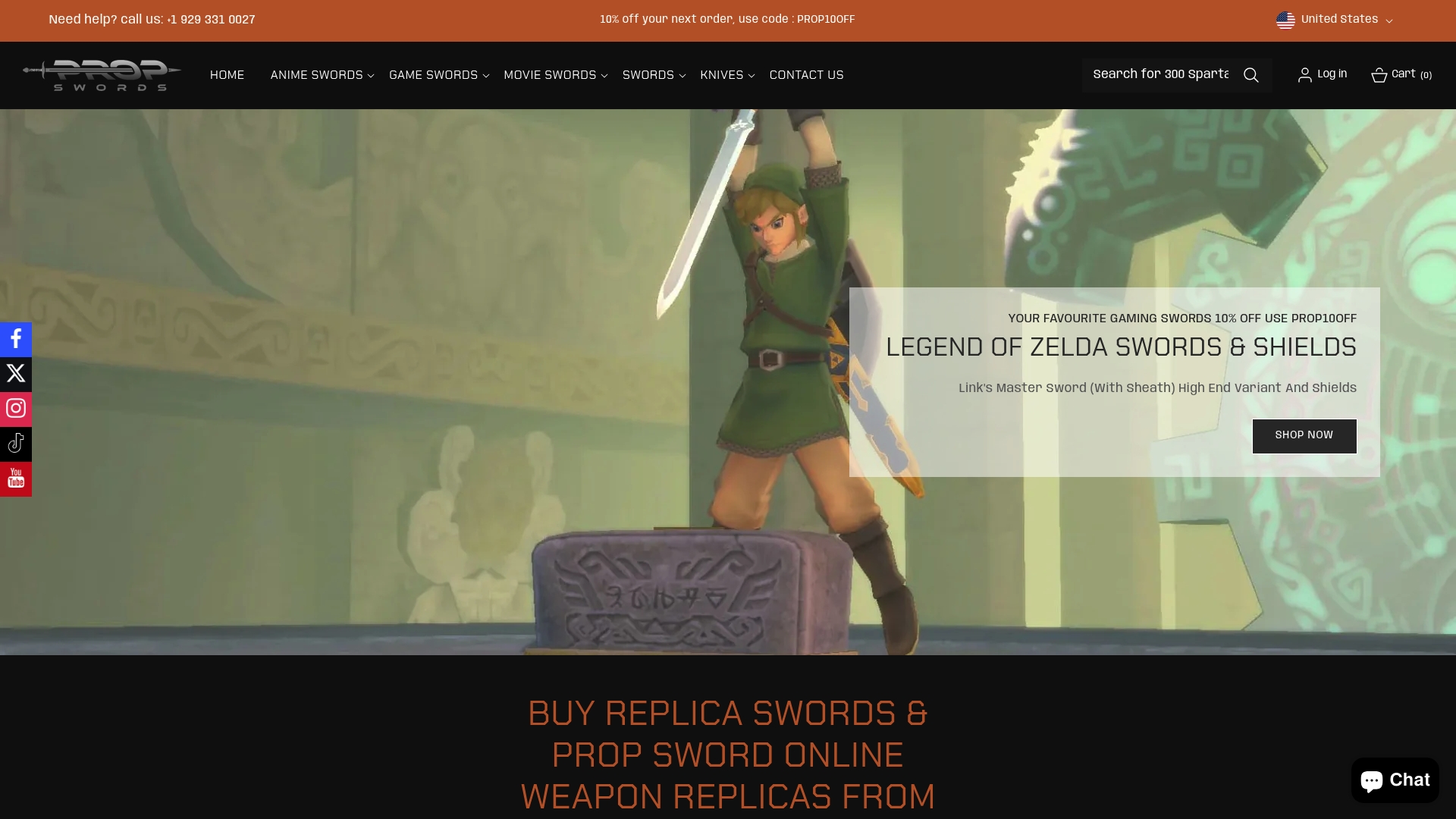
Browse categories organized by historical period, fictional universe, or weapon type to find pieces that resonate with your interests. Whether you're starting a collection or adding to established displays, the curated selection removes guesswork from finding authentic replicas.
Pro Tip: Use the site's detailed guides and blog posts to make informed replica choices. Learning about different replica types and quality indicators helps you select pieces that deliver lasting satisfaction.
FAQ
What makes a historical replica different from a generic prop?
Historical replicas prioritize accuracy in design, proportions, and materials based on actual artifacts or detailed fictional references. They reproduce specific weapons from history or entertainment with attention to authentic details like blade geometry, weight distribution, and decorative elements. Generic props focus primarily on visual appearance from a distance without concern for accurate dimensions, proper balance, or quality materials. Replicas typically use superior construction methods and materials that ensure durability and collector value, while generic props often use cheaper materials suitable only for brief costume wear.
How should I care for my historical replica to keep it in good condition?
Regular cleaning with soft cloths removes fingerprints and dust that can trap moisture against metal surfaces. Apply a thin coat of mineral oil or blade oil to steel components every two to three months, especially in humid environments, to prevent corrosion. Store replicas in dry locations away from temperature extremes, using protective cases or bags when not displayed. Inspect fittings periodically to ensure pommels and crossguards remain tight, addressing any looseness immediately to prevent damage from movement.
Can historical replicas be used safely for cosplay or reenactments?
Choose replicas specifically designed for wear that balance realistic appearance with safe handling characteristics. Cosplay-grade replicas use lighter materials and rounded edges that prevent injury during crowded convention environments. Always treat replicas as real weapons by maintaining awareness of blade position and keeping safe distances from others. Transport replicas in proper sword bags with blade padding, and inspect all fittings before each use to ensure secure construction that won't fail during handling.
What should I consider when choosing a historical replica sword?
Define your primary purpose first, whether display, cosplay, reenactment, or serious collecting, as this determines material and construction requirements. Consider weight and balance if you plan to carry or handle the replica regularly, checking specifications for point of balance measurements. Evaluate craftsmanship quality by examining blade finish, fitting tightness, and accuracy of decorative details compared to reference materials. Set a realistic budget that allows quality construction while factoring in maintenance supplies and display solutions beyond the initial purchase price.