
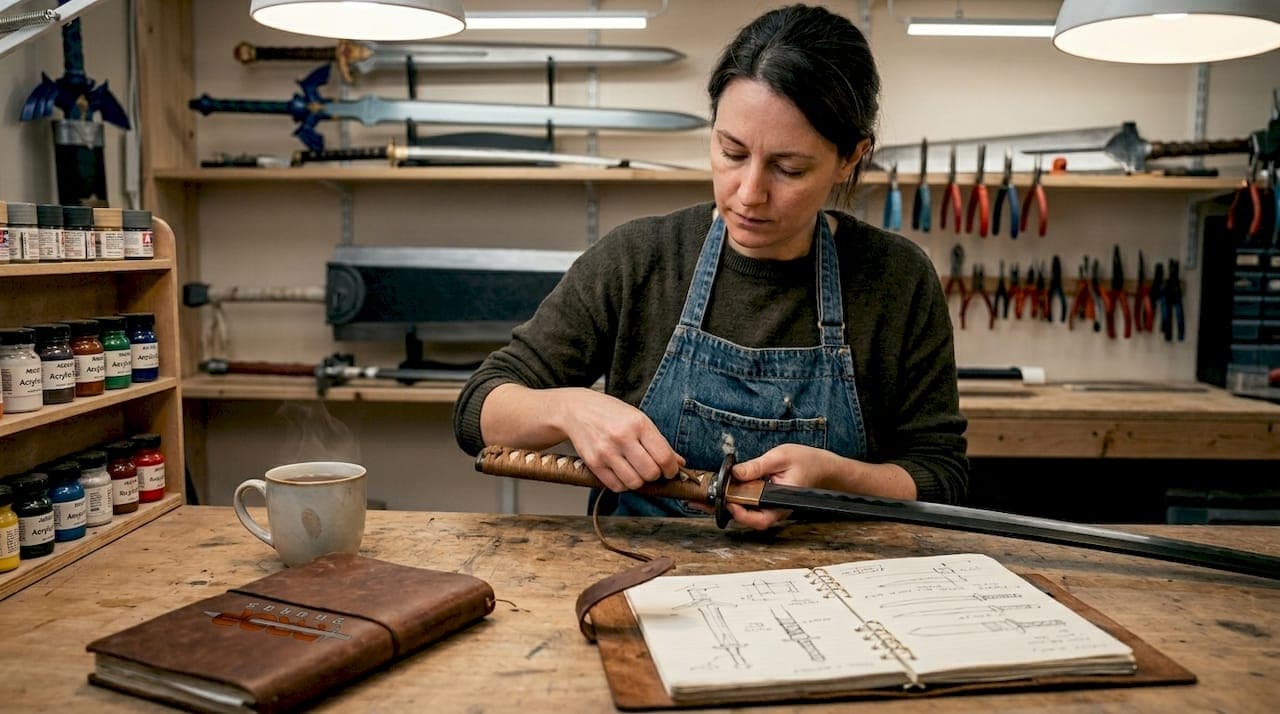
Swords in film, anime, and fantasy entertainment carry far more weight than their role as simple props or weapons. They embody cultural identity, narrative power, and emotional resonance that connect modern audiences to centuries of warrior tradition and storytelling craft. From the symbolic purity of a samurai blade to the oversized spectacle of a fantasy hero's weapon, these swords shape how we experience stories and express fandom. This article explores the cultural symbolism, manufacturing craftsmanship, design differences across media, and the thriving collectible market that makes entertainment swords a cornerstone of fan culture and personal expression.
Table of Contents
- Key takeaways
- The cultural symbolism of swords in anime and fantasy entertainment
- Craftsmanship and materials behind replica and prop swords
- Comparing movie swords, historical blades, and fantasy replicas: purpose and design
- The fan culture and collectible market for entertainment swords
- Explore high-quality replica swords and collectibles
- FAQ
Key Takeaways
| Point | Details |
|---|---|
| Swords as symbols | The swords in anime and fantasy function as vessels of honor, identity, and growth, serving as narrative devices that reveal character depth and drive plot momentum. |
| Visual design over realism | Fantasy and anime swords emphasize ornate details and oversized silhouettes to signal power and supernatural status, while historical blades prioritize practical efficiency. |
| Symbolic elements | Blade color, ornate guards, size, and other symbolic traits convey alignment, heritage, and the stakes surrounding a character’s development. |
| Replica materials craft | Modern replica swords balance authenticity safety and cost using high carbon steel Damascus steel and stainless steel with full tang construction. |
The cultural symbolism of swords in anime and fantasy entertainment
Japanese anime and fantasy storytelling treat swords as vessels of meaning rather than mere combat tools. The samurai tradition embedded honor, discipline, and spiritual purity into every blade, creating a cultural foundation that modern entertainment builds upon. When an anime protagonist draws their sword, audiences recognize layers of symbolism tied to personal growth, moral conviction, and the weight of responsibility.
These symbolic dimensions transform swords into narrative devices that reveal character depth and drive plot momentum. A blade might represent a character's connection to ancestry, their struggle with inner darkness, or their commitment to protecting others. Swords in anime and manga serve as powerful symbols of honor, identity, spiritual purity, and character development, rooted in Japanese samurai heritage. This symbolic richness explains why fans form emotional attachments to specific weapons and seek to own replicas that carry personal meaning.
The contrast between elaborate fantasy sword designs and historical simplicity reveals intentional storytelling choices. Historical blades emphasized functional efficiency, battlefield durability, and metallurgical constraints. Fantasy and anime creators deliberately exaggerate proportions, add ornate details, and incorporate impossible geometries to signal supernatural power or heroic status. Oversized swords in anime provide character identity, symbolism of power, and visual spectacle contrasting simple historical designs focused on battlefield efficiency.
Key symbolic elements in entertainment swords include:
- Blade color indicating elemental affinity or moral alignment
- Ornate guards and pommels representing family heritage or faction loyalty
- Supernatural properties reflecting character growth or narrative stakes
- Size and weight communicating raw power versus refined skill
"The sword is the soul of the samurai. To understand the blade is to understand the warrior who wields it, their honor, their purpose, and their place in the cosmic order."
This symbolic framework extends beyond Japanese media into Western fantasy and historical fiction. Medieval European swords carried religious significance, with crossguards forming crucifixes and blades blessed by clergy. Modern fantasy writers and filmmakers draw on these traditions to create weapons that function as plot devices, character mirrors, and thematic anchors. The role of swords in cosplay demonstrates how fans internalize these symbols, using replica weapons to embody characters and express connection to fictional worlds.
Craftsmanship and materials behind replica and prop swords
Modern replica and prop sword manufacturing balances authenticity, visual appeal, safety, and cost across multiple production methods. Replica swords use high-carbon steel, Damascus steel, and stainless steel (0.6-1.0% carbon) with full tang construction for durability and safety. High-carbon steel offers superior edge retention and historical accuracy but requires maintenance to prevent rust. Damascus steel provides distinctive pattern welding that appeals to collectors seeking visual drama. Stainless steel sacrifices some edge quality for corrosion resistance and lower maintenance, making it ideal for display pieces and cosplay.
Full tang construction runs the blade material through the entire handle, creating structural integrity that prevents blade separation during handling or display. Partial tang or rat-tail construction uses minimal metal extension into the handle, creating dangerous weak points. Always verify tang construction before purchasing to ensure your replica meets basic safety standards, especially for cosplay or demonstration use.
Pro Tip: Check product specifications for "full tang" confirmation and blade thickness measurements. Quality replicas specify steel type, carbon content, and construction method. Avoid listings with vague material descriptions or missing structural details.
Prop sword creation for film and television employs different priorities than collectible replicas. Prop sword making involves woodworking, metal rods for strength, molding/casting for guards, 3D printing, and multi-layer priming/painting for metallic finishes. This hybrid approach creates lightweight weapons that actors can wield safely during extended shooting schedules while maintaining convincing on-camera appearance.
Common prop sword construction methods:
- Cut and shape pine flooring or similar wood for blade core
- Insert metal rod through center for structural reinforcement
- Carve or sculpt foam for ornate guard and pommel details
- Create silicone molds from sculpted masters for casting duplicates
- Apply multiple primer layers to seal wood and create smooth surface
- Paint with metallic finishes using airbrushing and weathering techniques
- Add final details like edge highlights and artificial wear patterns
3D printing technology revolutionized prop making by enabling complex geometries impossible with traditional methods. Designers model intricate guard details, supernatural effects, or character-specific ornaments digitally, then print in durable plastics. These printed components integrate with traditional materials to create hybrid props that combine materials used in replica swords quality with modern fabrication efficiency.
| Material Type | Primary Use | Key Advantages | Typical Cost Range |
|---|---|---|---|
| High-carbon steel | Functional replicas, serious collectors | Edge retention, historical accuracy, durability | $200-$800 |
| Damascus steel | Premium collectibles, display pieces | Visual appeal, craftsmanship showcase | $400-$2,000+ |
| Stainless steel | Cosplay, budget collecting, display | Low maintenance, corrosion resistance | $50-$300 |
| Wood/foam/resin | Film props, cosplay, conventions | Lightweight, safe, affordable | $20-$150 |
Manufacturers targeting different market segments optimize for distinct priorities. Functional sword makers emphasize metallurgy, heat treatment, and edge geometry for martial arts practitioners. Collectible replica producers focus on screen accuracy, finish quality, and presentation packaging. Cosplay suppliers prioritize safety, weight reduction, and costume integration. Understanding these distinctions helps buyers how to choose replica swords that match their specific needs and budget constraints.
Comparing movie swords, historical blades, and fantasy replicas: purpose and design
Historical battlefield swords evolved under brutal functional constraints that modern entertainment completely ignores. Medieval European longswords balanced cutting power with point control for armored combat. Japanese katanas optimized single-edge geometry for draw cuts against unarmored opponents. Viking swords featured pattern-welded cores that combined flexibility with hard edges. Every design choice reflected metallurgical limitations, combat doctrine, and manufacturing capability available in specific historical periods.
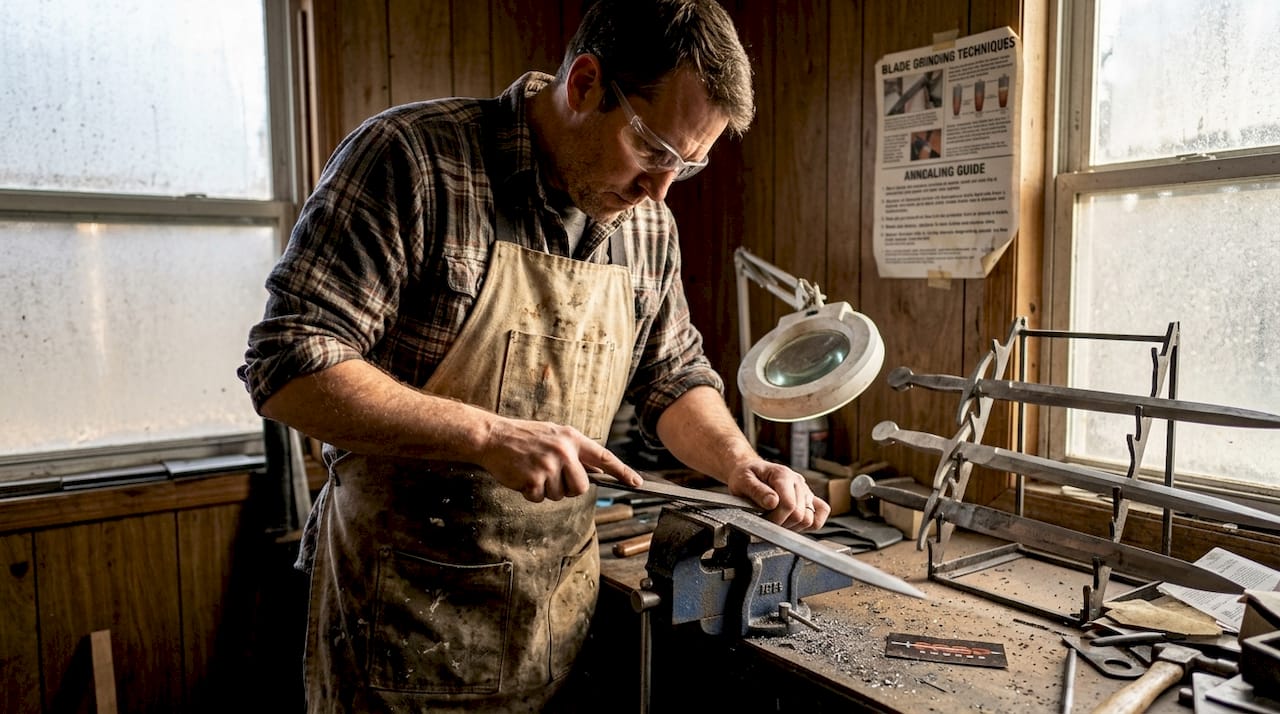
Movie swords differ from historical blades by prioritizing visual impact, actor safety, and cinematic drama over combat functionality and historical metallurgy. Filmmakers need weapons that photograph well under stage lighting, produce satisfying sound effects during choreographed fights, and pose minimal injury risk during 12-hour shooting days. A historically accurate medieval sword weighing 3 pounds becomes a 1.5-pound aluminum prop with exaggerated proportions that read better on camera.
Cinematic sword design considerations:
- Blade width increased 20-30% beyond historical norms for visual presence
- Edge profiles kept deliberately blunt to prevent accidental cuts
- Balance points shifted toward handle for easier manipulation during stunts
- Surface finishes enhanced with artificial aging or polishing for lighting effects
- Sound design often matters more than physical properties
Fantasy and anime swords abandon realism entirely in service of character identity and visual spectacle. Oversized swords in anime provide character identity, symbolism of power, and visual spectacle contrasting simple historical designs focused on battlefield efficiency. A blade twice the wielder's height signals superhuman strength or magical enhancement. Impossible geometries like reverse-edge katanas or transforming gunblades tell audiences that normal physics don't apply in this fictional world.
These exaggerated designs create immediate visual recognition that serves practical storytelling needs. Audiences instantly identify protagonists by their signature weapons across complex battle scenes. Merchandising benefits from distinctive silhouettes that translate well to toys, posters, and replica products. The famous swords in anime replicas market thrives on these memorable designs that fans want to own and display.
| Sword Category | Primary Design Goal | Typical Features | Target Audience |
|---|---|---|---|
| Historical blades | Battlefield effectiveness | Practical weight, proven geometry, period materials | Martial artists, historians, reenactors |
| Movie props | Cinematic visual impact | Exaggerated proportions, lightweight construction, safe edges | Film production, stunt performers |
| Fantasy replicas | Character identity | Oversized dimensions, ornate details, impossible physics | Collectors, cosplayers, display enthusiasts |
| Cosplay versions | Costume integration | Ultra-light materials, convention-safe, affordable | Convention attendees, costume builders |
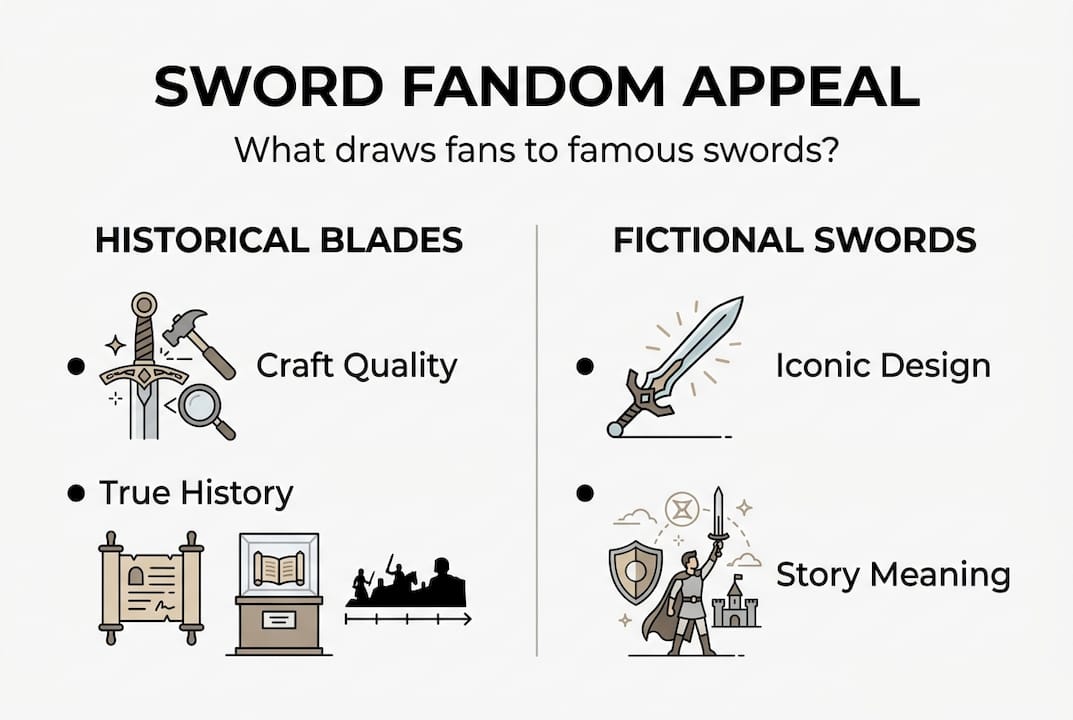
Fans appreciate different sword types for distinct reasons that reflect their engagement with entertainment media. Historical enthusiasts value metallurgical authenticity and combat functionality. Movie prop collectors seek screen-used provenance and production history. Anime fans prioritize character connection and franchise loyalty. Understanding these different value frameworks helps explain why replica markets segment so clearly across price points and quality tiers.
The fan culture and collectible market for entertainment swords
Entertainment swords function as tangible connections between fans and beloved fictional worlds. Owning a replica transforms passive media consumption into active fandom expression. Display pieces spark conversations, commemorate favorite characters, and create physical anchors for emotional investment in stories. Cosplayers use replica weapons to embody characters at conventions, creating immersive experiences that strengthen community bonds and personal identity within fan cultures.
The replica sword market spans enormous price ranges reflecting quality tiers, licensing agreements, and collector demand. Replica prices range from $11 cosplay swords to £20,000 auction pieces, with common anime replicas selling around $133 and licensed film props commanding £150-£500. Budget cosplay swords use basic materials and simplified construction for convention use. Mid-tier collectibles balance quality and affordability with better materials and finish work. Premium replicas feature screen-accurate details, superior metallurgy, and limited production runs.
Market dynamics shift rapidly based on media developments and franchise popularity. Fan demand for sword replicas spikes significantly after popular media events, with documented 40% sales increases following major casting announcements or series conclusions. New anime seasons, film releases, and game launches create immediate demand surges for associated replica weapons. Collectors anticipating these trends can secure desirable pieces before prices rise or availability shrinks.
Steps for choosing the right entertainment sword replica:
- Define your primary purpose (display, cosplay, collecting, martial arts practice)
- Set realistic budget including shipping and potential customization costs
- Research character accuracy and screen references for your chosen weapon
- Verify manufacturer reputation through community reviews and return policies
- Confirm material specifications match your safety and durability needs
- Check dimension and weight compatibility with your display space or costume
- Review licensing status if authenticity and resale value matter
Pro Tip: Join franchise-specific collector communities before making expensive purchases. Experienced fans share manufacturer recommendations, spot counterfeit listings, and alert members to limited releases or sales. These communities often organize group buys that reduce per-unit costs on premium replicas.
Authenticity debates within collector circles reveal competing value systems. Some fans prioritize screen accuracy above all else, demanding exact dimensions and finishes matching production props. Others value craftsmanship and materials, preferring functional swords over purely decorative replicas. Budget-conscious collectors accept compromises on details to afford pieces from multiple franchises. Licensed versus unlicensed replicas create ethical discussions about supporting original creators versus accessing affordable alternatives.
The secondary market for rare and discontinued replicas operates through specialized forums, auction sites, and collector conventions. Limited edition releases from defunct manufacturers command premium prices based on scarcity rather than inherent quality. Provenance documentation increases value for screen-used props or pieces with verifiable production history. Condition grading systems borrowed from collectible trading cards help standardize pricing for vintage replicas showing age or wear.
Explore high-quality replica swords and collectibles
Propswords brings together craftsmanship and fandom passion in a curated collection of replica swords spanning anime, film, and historical themes. Whether you're building a cosplay ensemble, creating an impressive display, or adding to your collection, you'll find pieces that honor the cultural symbolism and entertainment value explored throughout this article. The Blazefire Saber Lightning Gunblade replica exemplifies the attention to detail and quality construction that serious collectors demand.
Navigating replica options becomes simpler with expert guidance tailored to your specific needs. Our comprehensive resources help you understand famous swords anime replicas and make informed decisions about materials, sizing, and authenticity. Detailed buying guides walk you through how to choose anime sword replicas that balance your budget with quality expectations and intended use.
FAQ
What makes swords in anime so different from real historical swords?
Anime swords prioritize symbolic meaning and visual drama over battlefield practicality. They often feature exaggerated sizes, impossible geometries, and ornate details that signal supernatural power or character identity rather than combat efficiency. Historical swords evolved under strict metallurgical and functional constraints that entertainment media deliberately ignores for storytelling impact.
Are replica swords safe for cosplay and display?
Modern replicas designed for cosplay use blunt edges, lightweight materials, and full tang construction to meet safety standards. Always purchase swords specifically marketed for cosplay rather than functional blades intended for martial arts. Convention policies vary, so verify weapon rules before attending events and consider how to choose cosplay swords safer comfortable for extended wear.
What are typical prices for entertainment sword replicas?
Prices span from budget options around $11 for basic cosplay swords to premium collectibles exceeding $2,000 for Damascus steel or limited editions. Common anime replicas sell for approximately $133, while licensed film props range £150-£500. Rare auction pieces with production provenance can command £20,000 or more depending on franchise popularity and historical significance.
How do I verify replica sword quality before purchasing?
Check product specifications for explicit material details including steel type, carbon content, and tang construction. Reputable sellers provide blade thickness, overall dimensions, and weight measurements. Read community reviews from franchise-specific collector groups rather than relying solely on retailer testimonials. Verify return policies and manufacturer warranties that protect against defects or misrepresented specifications.
Why do fantasy swords look so elaborate compared to historical designs?
Fantasy creators use elaborate sword designs to establish character identity, signal supernatural abilities, and create memorable visual icons for merchandising. Historical swords optimized for actual combat within metallurgical constraints, producing efficient but visually simple designs. Entertainment media abandons these practical limitations to maximize dramatic impact and audience recognition across complex scenes and marketing materials.