
Swords in manga represent far more than elegant weapons or combat tools. They embody centuries of Japanese cultural heritage, spiritual significance, and narrative depth that transforms simple steel into living symbols of honor, identity, and personal growth. From the sacred katana rooted in samurai tradition to magical blades that mirror their wielders' souls, swords drive character development and plot progression in ways that resonate deeply with fans worldwide. Understanding this multifaceted role enriches your appreciation of manga storytelling and connects you to the authentic craftsmanship that inspires collectors and cosplayers seeking thematic depth in their hobbies.
Table of Contents
- Historical And Cultural Significance Of Swords In Japanese Tradition
- The Narrative Role Of Swords In Manga And Anime Storytelling
- Symbolism And Magical Qualities Of Swords In Manga Characters' Journeys
- Historical Sword Craftsmanship And Its Inspiration For Collectors And Cosplayers
- Enhance Your Manga Passion With Authentic Sword Replicas
- FAQ
Key takeaways
| Point | Details |
|---|---|
| Cultural symbolism | Swords represent honor, spirit, and protection rooted in Japanese samurai heritage and spiritual traditions. |
| Narrative catalysts | They function as plot-driving elements that advance story arcs and mark pivotal character turning points. |
| Character mirrors | Sword transformations and qualities reflect wielders' inner growth, struggles, and personal ideals. |
| Craftsmanship legacy | Traditional swordsmithing techniques from the Heian period inspire authentic manga sword aesthetics and designs. |
| Magical dimensions | Many manga swords possess sentient or supernatural qualities that deepen thematic exploration and reader connection. |
Historical and cultural significance of swords in Japanese tradition
The Japanese sword symbolizes faith, authority, and protection, reflecting its profound historical role in Japanese culture beyond mere weaponry. The katana served as the samurai's soul, representing honor, duty, and spiritual purity in ways that manga and anime faithfully preserve. This deep connection between warrior and weapon created a cultural framework where swords became sacred objects, not just tools of combat.
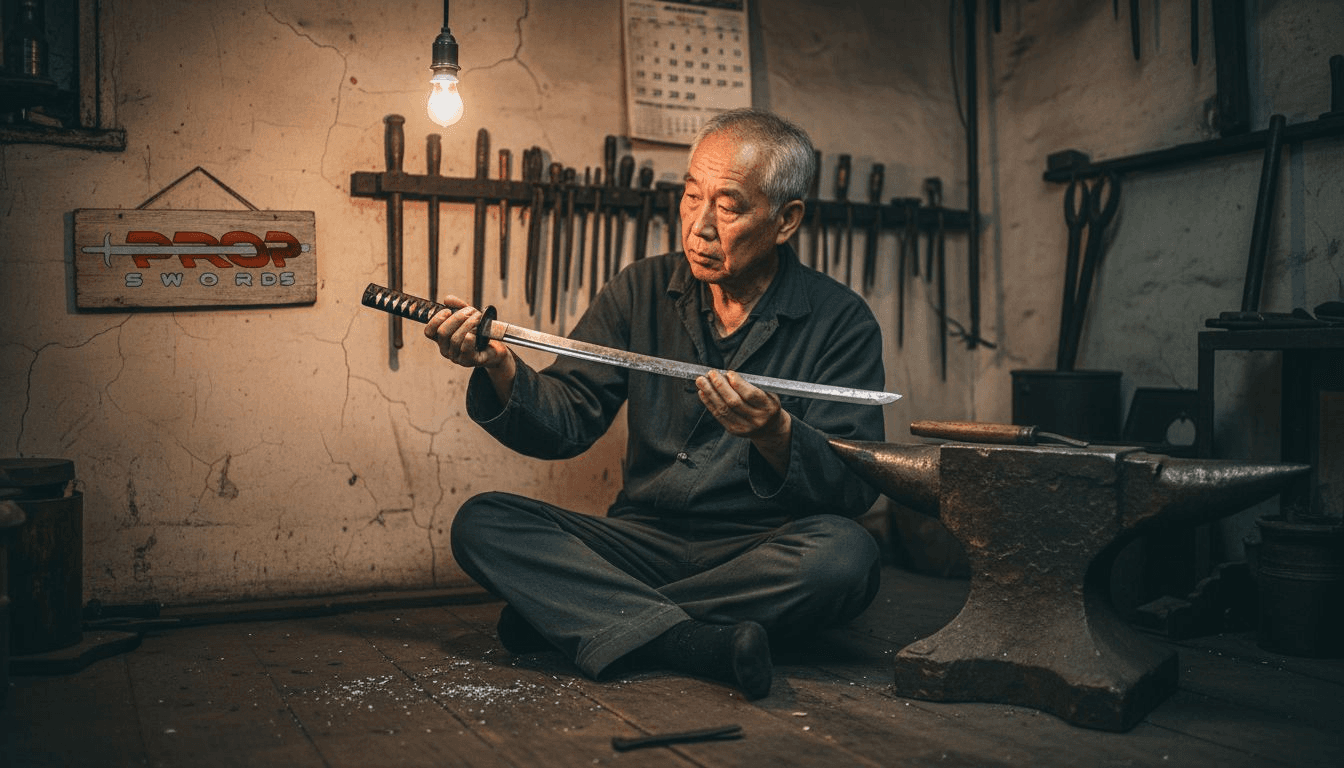
Japanese swordsmithing evolved into a revered art form combining metallurgy, spirituality, and aesthetic mastery. Craftsmanship techniques inherited from the mid-Heian period continue to influence modern sword creation, with master artisans preserving methods passed down through generations. The forging process itself held spiritual significance, involving purification rituals and prayers that imbued each blade with protective qualities.
Swords functioned as protective talismans in Japanese society, gifted during illness, coming-of-age ceremonies, and other significant life transitions. Families treasured ancestral blades as heirlooms connecting past and present generations. This spiritual dimension transformed swords into vessels of family honor and cultural memory, a theme manga explores through character backstories and inherited weapons.
The samurai class elevated sword ownership to a philosophical practice. Bushido principles taught warriors to view their blades as extensions of their spirit, demanding respect, maintenance, and mindful use. This relationship between wielder and weapon creates the foundation for manga's portrayal of swords as living entities with personalities and powers. Understanding sword craftsmanship quality helps collectors appreciate the authentic traditions manga draws upon.
Pro Tip: When exploring manga sword symbolism, research the historical period each series references to understand the cultural context behind specific sword designs and their narrative significance.
Traditional sword elements that manga incorporates include:
- Curved single-edged blade design optimized for swift, precise strikes
- Tsuba (hand guard) featuring intricate artistic motifs and family crests
- Tsuka (handle) wrapped in silk or leather with specific grip patterns
- Saya (scabbard) crafted from lacquered wood with decorative fittings
- Habaki (blade collar) securing the sword and protecting the scabbard mouth
The narrative role of swords in manga and anime storytelling
Swords function as powerful plot devices that drive story progression and mark transformative moments in manga narratives. The Sword of Plot Advancement serves as a catalyst for character development, creating turning points that reshape entire story arcs. Rather than static props, these weapons become narrative anchors that unlock new abilities, reveal hidden truths, or test protagonists' resolve at critical junctures.
Manga creators strategically deploy swords to externalize internal conflicts and character growth. A protagonist struggling with self-doubt might receive or forge a sword that challenges them to overcome fear. The weapon's acquisition often coincides with accepting responsibility, embracing destiny, or confronting past trauma. This narrative technique allows readers to visualize abstract character development through concrete physical objects.
Inuyasha's Tetsusaiga exemplifies this storytelling approach perfectly. The sword transforms based on Inuyasha's emotional state and personal growth, gaining new techniques as he matures and accepts his half-demon heritage. Each power upgrade corresponds to overcoming specific character flaws or learning important lessons about protection versus destruction. The sword literally cannot be wielded without compassion, forcing character development through mechanical constraints.
Revolutionary Girl Utena uses swords as symbols of revolution, identity, and the power to transform reality itself. The series explores how swords extend beyond mere combat to represent thematic concepts like breaking free from societal constraints or challenging predetermined roles. Duels become philosophical debates made physical, with swords channeling the combatants' ideological convictions.
Manga swords often serve multiple narrative functions simultaneously:
- Gateway objects that transport characters to new worlds or unlock hidden realms
- Legacy items connecting protagonists to mentors, ancestors, or forgotten histories
- Power limiters requiring character growth before revealing full potential
- Moral compasses that refuse to function for unworthy wielders
- Relationship bonds linking characters through shared weapons or complementary blades
The role of swords in anime demonstrates how these weapons create memorable moments that define entire series. Iconic sword scenes become cultural touchstones that fans reference and recreate through cosplay and fan art.
"The sword is not just a weapon but a narrative device that embodies the wielder's journey, struggles, and ultimate transformation, making it central to manga's storytelling power."
Strategic sword placement in story structure creates anticipation and payoff. Early mentions of legendary blades establish future goals. Training arcs focus on mastering sword techniques that prove crucial in climactic battles. The weapon's history often parallels or foreshadows the protagonist's path, creating layered storytelling that rewards attentive readers.
Symbolism and magical qualities of swords in manga characters' journeys
Manga frequently imbues swords with supernatural properties that transcend physical limitations. Katanas become weapons of magic and sentience, reflecting wielders' spirits, ideals, and internal struggles in ways that deepen character exploration. This magical dimension allows creators to externalize psychological states and moral dilemmas through sword abilities and transformations.
Bleach's Zanpakutō system represents the pinnacle of sword-character integration. Each Zanpakutō is a living spirit manifesting its wielder's soul, with distinct personalities that sometimes conflict with or complement their partners. The two-stage transformation system (Shikai and Bankai) mirrors character development, requiring wielders to understand themselves deeply before accessing ultimate power. This creates compelling narrative tension where physical strength alone proves insufficient without self-awareness.
Sword transformations parallel psychological breakthroughs in sophisticated ways. A character overcoming trauma might unlock a new sword form representing emotional healing. Accepting a darker aspect of personality could manifest as a blade with destructive powers requiring careful control. These visual metaphors make abstract character growth tangible and memorable for readers.
Different manga series employ varied symbolic frameworks for their swords:
| Series | Sword Symbolism | Character Connection |
|---|---|---|
| Bleach | Soul manifestation with independent personality | Deep self-knowledge required for power |
| Rurouni Kenshin | Reverse-blade representing non-lethal philosophy | Atonement and protecting without killing |
| Demon Slayer | Breathing techniques channeled through Nichirin blades | Mastery through discipline and heritage |
| Soul Eater | Living weapon partners requiring soul resonance | Trust and emotional synchronization |
The sentient sword trope creates unique storytelling opportunities. Swords might refuse to cooperate with wielders making poor choices, offer advice during battles, or possess knowledge from previous owners. This partnership dynamic adds depth to solo protagonists and creates internal conflict when character and weapon disagree on tactics or philosophy.
Magical swords often impose specific conditions or costs on their wielders. A blade might drain life force with each use, forcing characters to weigh immediate power against long-term survival. Others require emotional sacrifices, like suppressing certain feelings to maintain control. These limitations create dramatic tension and prevent swords from becoming simple power-ups that solve every problem.
Pro Tip: When analyzing manga swords, pay attention to how their abilities reflect the wielder's core personality traits or character arc themes rather than just combat effectiveness.
Exploring famous anime swords reveals patterns in how creators design weapons to embody specific character journeys. The strongest swords in anime often derive power not from raw destructive capability but from the depth of meaning they carry for their wielders.
Sword colors, shapes, and special effects communicate character information visually. A jagged, dark blade might represent inner turmoil or aggressive tendencies. Elegant, flowing designs often belong to refined or spiritually advanced characters. These visual cues help readers instantly understand character dynamics and power relationships without explicit exposition.
Historical sword craftsmanship and its inspiration for collectors and cosplayers
Traditional Japanese swordsmithing techniques directly inspire manga sword designs and aesthetics. Master craftsmen maintain methods inherited from the mid-Heian period, preserving centuries-old knowledge that manga creators reference when designing iconic weapons. Understanding these authentic practices enhances appreciation for both historical artistry and fictional interpretations.
The forging process involves multiple stages requiring extreme precision and spiritual dedication. Swordsmiths repeatedly fold and hammer steel to create thousands of layers, eliminating impurities while developing the blade's characteristic grain patterns. This labor-intensive approach produces weapons of exceptional strength and beauty, qualities manga amplifies through supernatural enhancements while maintaining visual connections to real craftsmanship.
Collectors seeking manga-inspired replicas benefit from understanding traditional sword construction:
- Tang construction: Full-tang blades extending through the handle provide authentic weight distribution and durability
- Steel quality: High-carbon steel offers realistic appearance and edge retention compared to decorative stainless steel
- Fittings authenticity: Traditional tsuba, menuki, and kashira components enhance historical accuracy
- Balance point: Proper weight distribution approximately 4-6 inches from the guard ensures realistic handling
- Finish techniques: Hand-polished blades reveal grain patterns similar to authentic Japanese swords
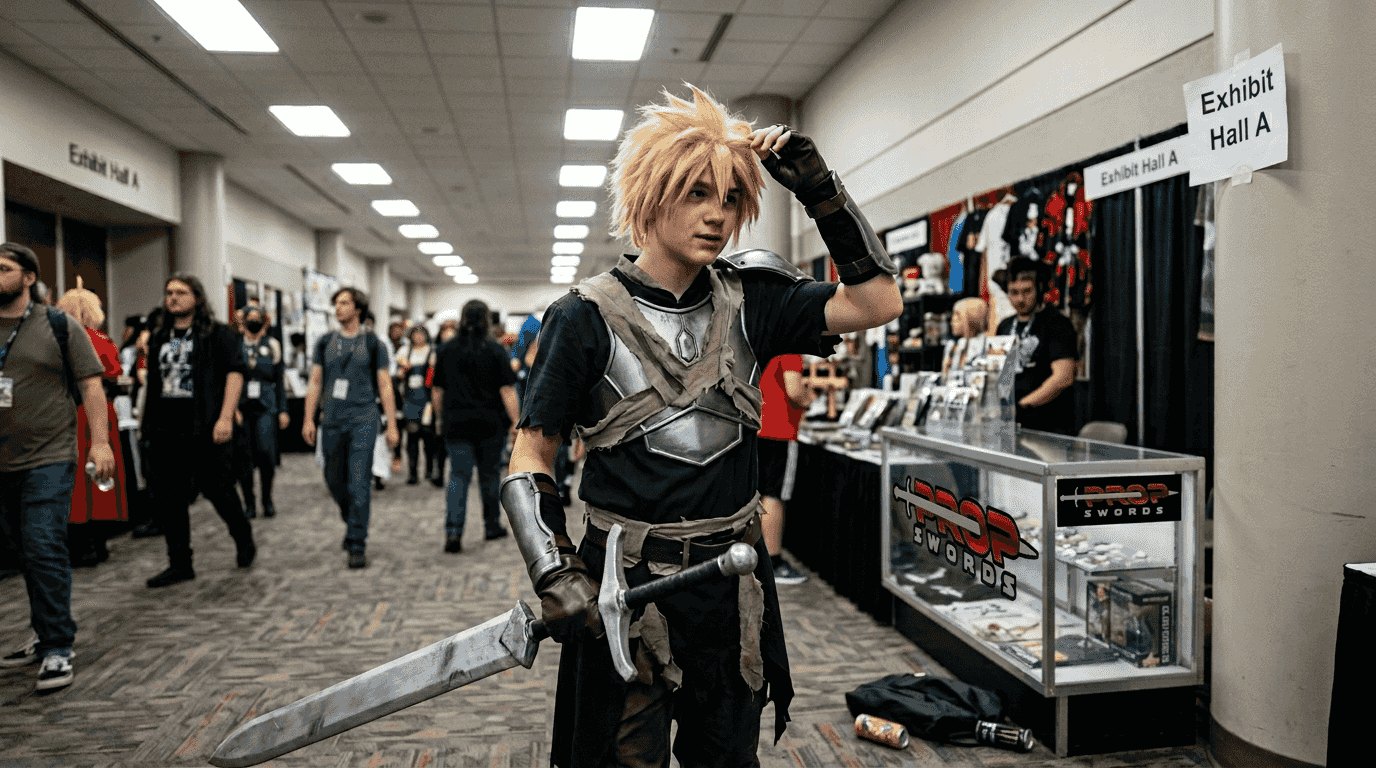
Cosplayers require different considerations when selecting anime sword replicas for cosplay. Lightweight materials like foam or aluminum allow safe convention attendance while maintaining visual accuracy. Detachable components facilitate transportation and storage. Attention to paint finishes and weathering effects creates photorealistic props that honor the source material.
| Feature | Traditional Japanese Sword | Popular Manga Sword Traits |
|---|---|---|
| Blade length | 60-73 cm standardized | Varies wildly, often exaggerated for dramatic effect |
| Curvature | Subtle, functional curve (sori) | Can be extreme or reversed for unique designs |
| Guard design | Practical, modest decoration | Elaborate, thematic elements reflecting character |
| Supernatural elements | None, purely physical | Common: glowing, transforming, elemental powers |
| Color palette | Natural steel, traditional materials | Vibrant colors, unusual materials, magical effects |
The collectible anime sword replicas market offers options ranging from display-only decorative pieces to functional replicas suitable for martial arts practice. Serious collectors prioritize historical accuracy in construction methods even when the design itself is fantastical. This approach honors the traditional craftsmanship that inspired manga creators while celebrating fictional innovations.
Authentic replica manufacturers often collaborate with martial artists and historians to ensure proper geometry and balance. Even fantasy designs benefit from adherence to fundamental sword mechanics, creating pieces that feel substantial rather than purely decorative. This attention to detail appeals to knowledgeable collectors who appreciate both the fictional narrative and real-world sword traditions.
Understanding sword craftsmanship quality helps buyers distinguish between mass-produced novelties and serious replicas worthy of display or collection. Factors like hand-forged construction, traditional assembly techniques, and accurate material selection significantly impact both aesthetic quality and long-term value. Collectors investing in premium replicas effectively preserve the artistic legacy that manga celebrates through its iconic weapons.
Enhance your manga passion with authentic sword replicas
Transform your appreciation for manga sword culture into tangible connection through carefully crafted replicas that honor both fictional designs and traditional craftsmanship. Whether you're building a collection that celebrates iconic series or preparing for your next cosplay event, quality replicas bridge the gap between storytelling and hands-on experience.
Propswords specializes in anime-inspired sword replicas that capture the spirit of beloved manga weapons while maintaining structural integrity and visual accuracy. Each piece reflects attention to detail that serious collectors and cosplayers demand, from balanced weight distribution to authentic finishing techniques. Explore designs inspired by legendary series and discover swords that resonate with your favorite characters' journeys. Free shipping within the USA makes it easier to start or expand your collection with confidence.
FAQ
What types of swords are most commonly featured in manga?
Katanas dominate manga sword representation due to their cultural significance and aesthetic appeal, often enhanced with magical or spiritual properties that transcend historical limitations. Other sword types appear based on setting and cultural inspiration, including European longswords in fantasy manga, Chinese jian in martial arts stories, and completely original designs that blend multiple traditions. The katana's iconic curved single-edge profile makes it instantly recognizable and symbolically powerful for Japanese audiences.
How do swords symbolize character development in manga?
Swords externalize internal character struggles and growth through visual transformations, ability unlocks, and changing relationships between wielder and weapon. A character's sword might evolve as they overcome personal flaws, gain new understanding, or accept difficult truths about themselves. This symbolic connection allows readers to track character progression through concrete changes in the weapon's appearance or capabilities. Swords refusing to function for unworthy wielders create compelling motivation for self-improvement and moral development.
What should collectors consider when choosing a manga-inspired sword replica?
Prioritize construction quality and material authenticity over purely decorative features to ensure long-term satisfaction and display value. Research the historical context and character significance behind specific designs to select pieces with personal meaning that enhance your collection's narrative. Verify sword craftsmanship quality through manufacturer reputation, customer reviews, and detailed product specifications. For cosplay purposes, consider weight, durability, and convention safety requirements alongside visual accuracy to ensure practical usability.
Why are the Bleach Zanpakutō swords so special in manga culture?
Zanpakutō represent the ultimate expression of sword-wielder integration, functioning as literal manifestations of the user's soul with independent personalities and voices. The two-stage transformation system (Shikai and Bankai) requires deep self-knowledge and acceptance, making power progression inherently tied to character development rather than simple training. This innovative concept influenced numerous subsequent manga series and established a framework for sentient weapons that reflect psychological depth. Exploring famous anime swords reveals how Bleach's approach set new standards for weapon symbolism in manga storytelling.