
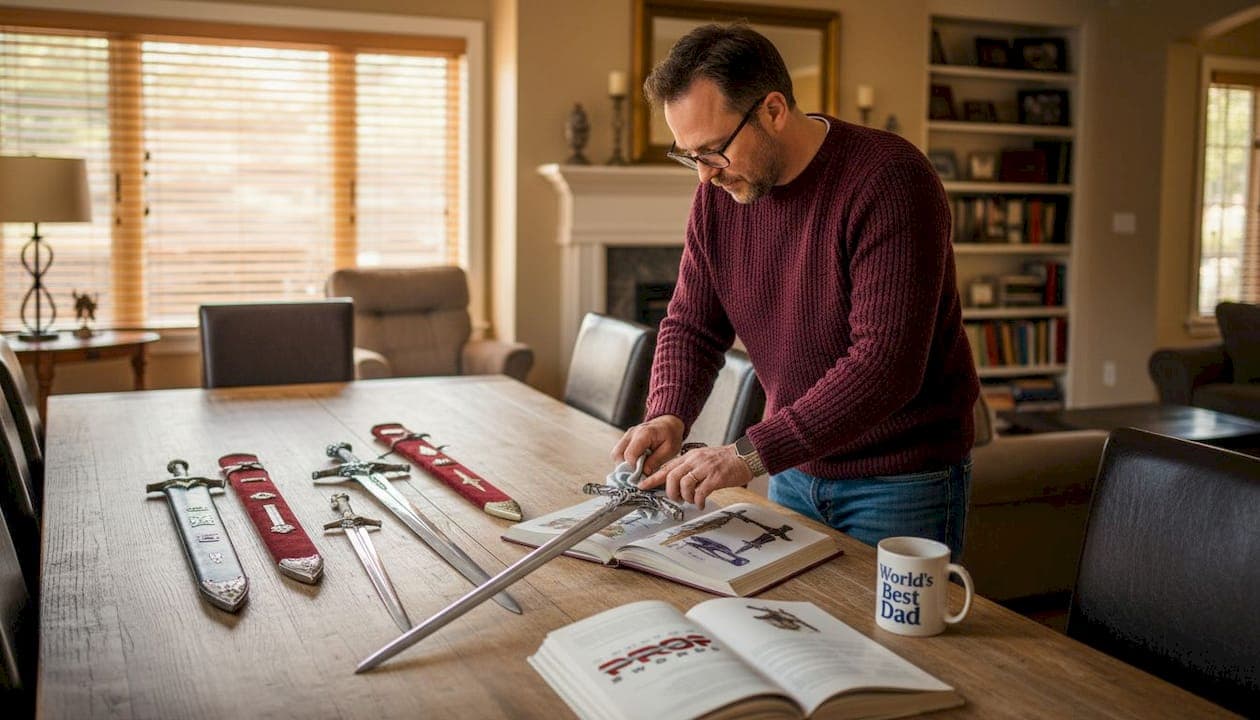
When you see a hero brandishing a glowing, oversized blade in your favorite anime or fantasy film, you're witnessing more than just a weapon. These legendary swords carry deeper symbolic weight, representing destiny, identity, and cultural heritage far beyond their combat utility. Unlike historical swords designed purely for battlefield effectiveness, fantasy blades serve as narrative anchors that define characters and drive storylines. This article explores how fantasy swords function as cultural symbols, why their designs deliberately ignore real-world physics, and what collectors should consider when choosing replicas that honor both lore and craftsmanship.
Table of Contents
- Key takeaways
- Symbolism and cultural significance of swords in fantasy worlds
- Anime swords: blending heritage, character development, and supernatural power
- Fantasy sword design versus historical practicality: breaking the rules
- Collecting fantasy swords: aesthetics, function, and avoiding pitfalls
- Discover high-quality fantasy sword replicas at Propswords
- Frequently asked questions
Key Takeaways
| Point | Details |
|---|---|
| Symbolic role of swords | Fantasy swords symbolize destiny, identity, and cultural heritage far beyond their combat use. |
| Narrative anchors | They act as narrative anchors that define characters and drive storylines rather than battlefield effectiveness. |
| Aesthetics vs accuracy | Collectors often prioritize symbolic design and lore over strict historical functionality when selecting replicas. |
| Anime heritage and power | In anime and manga swords embody cultural heritage and personal growth while channeling the wielder's supernatural abilities. |
Symbolism and cultural significance of swords in fantasy worlds
Swords in fantasy culture primarily serve as symbols of power, destiny, heroism, and identity rather than practical weapons. These legendary blades appear across countless stories, each carrying meanings that transcend their metal and edge. The Chosen Blade trope, exemplified by Excalibur, marks heroes destined for greatness before they even draw the weapon. Named swords like Andúril or Stormbringer possess histories and personalities that shape their wielders' fates, sometimes blessing them with power and other times cursing them with tragedy.
These weapons function as identity markers that define who characters are and who they're meant to become. A knight without their ancestral blade feels incomplete, while a hero discovering their destined sword represents a transformative moment of self-realization. Fantasy creators embrace sword symbolism because these weapons tap into primal myths about courage, sacrifice, and the struggle between good and evil. Glowing blades signal divine favor, talking swords offer wisdom or warnings, and cursed weapons test moral fortitude.
"The sword in fantasy literature represents far more than a tool of violence. It embodies the hero's journey, their moral choices, and their connection to forces larger than themselves. When a character loses their sword, they lose part of their identity."
Common fantasy sword roles include:
- Manifestation of the hero's destiny and chosen status
- Magical conduit channeling supernatural powers
- Symbol of inherited legacy and family honor
- Test of worthiness separating true heroes from pretenders
- Physical representation of character growth and transformation
Collectors seeking famous sword replicas often prioritize these symbolic elements over historical accuracy. The appeal lies in owning a piece of the narrative magic, a tangible connection to the stories that moved them. Understanding these symbolic layers helps collectors appreciate why certain design choices matter more than practical functionality.
Anime swords: blending heritage, character development, and supernatural power
In anime and manga, swords embody cultural heritage and character growth while channeling supernatural abilities unique to each wielder. The katana holds special significance in Japanese storytelling, representing the samurai soul and bushido philosophy. These blades aren't simply weapons but extensions of their owners' spirits, reflecting inner struggles and personal evolution throughout narrative arcs.
Zanpakutō from Bleach exemplify this connection perfectly. Each soul reaper's sword manifests a unique spirit that must be understood and mastered, mirroring the character's psychological journey. The reverse-blade sword wielded by Kenshin Himura in Rurouni Kenshin physically represents his vow to never kill again, its backward edge symbolizing redemption and the rejection of his assassin past. Demon Slayer's Nichirin blades change color based on the wielder's breathing style and personality, creating visual representations of individual strengths and elemental affinities.
Notable anime sword examples and their roles:
- Zangetsu (Bleach): Manifests Ichigo's inner hollow and Quincy powers through evolving forms
- Tessaiga (Inuyasha): Protects humans and grows stronger through compassion
- Elucidator and Dark Repulser (Sword Art Online): Represent dual wielding mastery and virtual identity
- Scissor Blade (Kill la Kill): Symbolizes rebellion against oppressive systems
- Demon Slayer Mark blades: Reflect breathing techniques and family legacies
Pro Tip: When selecting anime sword replicas for cosplay, prioritize pieces that capture the blade's symbolic details like unique guard designs, blade markings, or color schemes. These elements matter more for character accuracy than perfect weight distribution.
Anime creators use swords as visual shorthand for character development. A hero mastering their blade's true name or unlocking a new form signals psychological breakthroughs and narrative turning points. The weapon becomes a mirror reflecting internal change, making sword battles as much about personal growth as physical combat. This storytelling approach explains why anime sword enthusiasts often feel deep connections to specific blades, seeing them as representations of the character journeys they've followed.
Fantasy sword design versus historical practicality: breaking the rules
Fantasy swords ignore historical mechanics like weight distribution and balance, prioritizing visual impact over combat effectiveness. Real medieval longswords typically weighed between 1.2 and 1.6 kilograms, designed for quick strikes and defensive maneuvers. Fantasy creators throw these constraints aside, crafting oversized blades that would be impossibly heavy and unwieldy in actual combat. Cloud Strife's Buster Sword from Final Fantasy VII weighs an estimated 36 kilograms, making it physically impossible to swing with the speed shown in the game.
| Sword Type | Typical Weight | Primary Design Focus |
|---|---|---|
| Historical Longsword | 1.2-1.6 kg | Balance, speed, practical combat |
| Fantasy Greatsword | 5-15 kg (depicted) | Visual drama, symbolic power |
| Anime Katana | 0.9-1.2 kg (real) | Cultural authenticity, character identity |
| Oversized Fantasy Blade | 20-40 kg (estimated) | Heroic scale, magical justification |
Key design principles from historical swordsmithing:
- Point of balance typically 5-10 centimeters from the guard for maneuverability
- Full tang construction running through the handle for structural integrity
- Weight distribution favoring speed over raw cutting power
- Blade thickness optimized for flexibility and durability
- Guard and pommel designed for hand protection and balance adjustment
Fantasy sword designers deliberately violate these principles to create weapons that look powerful and mythic. Oversized guards, exaggerated blade widths, and impossible lengths serve narrative purposes rather than functional ones. A hero wielding a massive blade visually communicates superhuman strength or magical enhancement. The impracticality becomes the point, separating fantasy heroes from ordinary warriors bound by physical limitations.
Pro Tip: When shopping for fantasy versus historical swords, check the tang type and overall weight. Full tang replicas with realistic weight distribution provide better handling and durability, even for display pieces. Partial tang constructions risk breaking at the handle junction under any stress.
Collectors must decide whether they value fantasy aesthetics or functional authenticity. Display pieces can embrace wild designs without consequence, but anyone interested in stage combat or martial arts demonstrations needs replicas that respect basic physics. Understanding why fantasy swords break the rules helps collectors make informed choices about which compromises matter for their specific purposes.
Collecting fantasy swords: aesthetics, function, and avoiding pitfalls
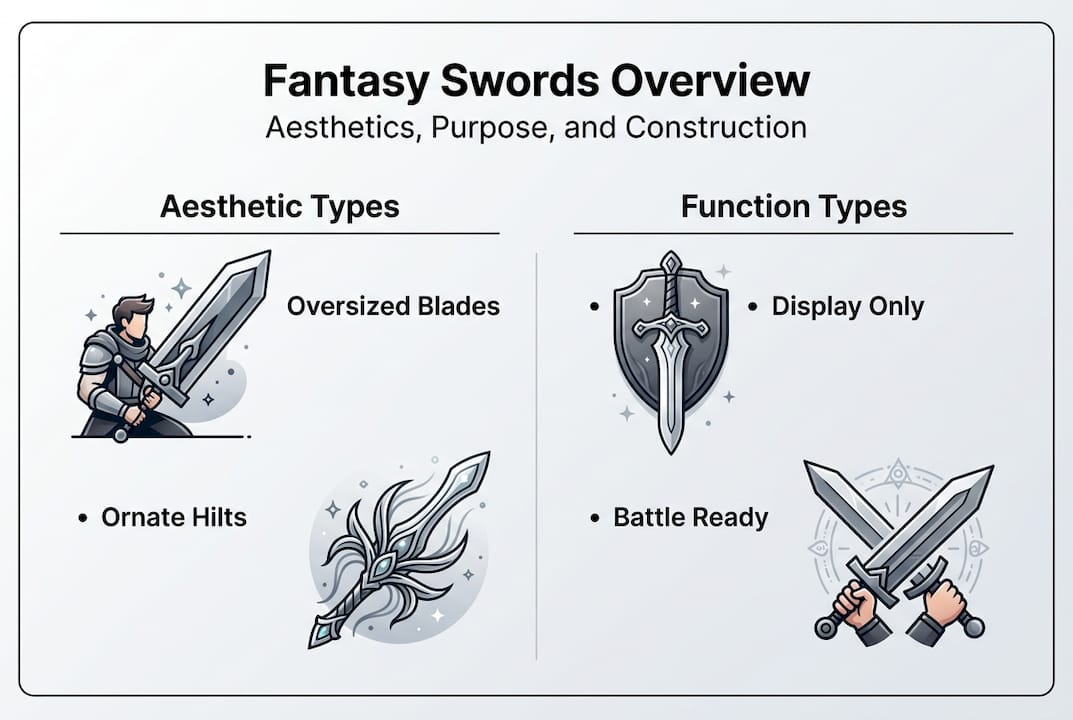
Collectors differentiate fantasy replicas by aesthetics versus functional construction, with materials and pricing varying dramatically across categories. Aesthetic replicas use stainless steel with partial tang construction, prioritizing visual accuracy for cosplay and display. These pieces typically cost between 30 and 300 dollars, offering affordable entry points for fans wanting recognizable designs without combat capability. Functional replicas employ carbon steel with full tang construction, designed for stage combat or martial arts practice, with prices ranging from 200 to over 5,000 dollars depending on craftsmanship quality.
Mall swords represent the bottom tier, featuring poor construction with rat tail tangs that can snap during handling. These cheap imports often use zinc alloy fittings that crack easily and stainless steel too soft for any stress. Collectors should avoid these pieces regardless of attractive pricing, as they lack both display quality and safety. Reputable makers clearly specify materials, tang type, and intended use, separating legitimate replicas from dangerous decorations.
Key considerations when choosing fantasy sword replicas:
- Purpose: Display only, cosplay, stage combat, or martial arts practice
- Material: Stainless steel for aesthetics, carbon steel for function
- Tang type: Full tang for durability, partial tang acceptable only for wall display
- Weight: Realistic weight improves balance and authentic feel
- Origin: Established makers provide better quality control than unknown importers
- Price: Budget appropriately based on intended use and construction quality
Popular fantasy franchises like The Witcher have spawned replica markets with varying quality levels. High-end makers study source material carefully, matching blade profiles, guard details, and weathering effects. Budget versions sacrifice these nuances for lower prices, appealing to casual fans rather than serious collectors. Authentication tips help buyers verify they're receiving advertised quality rather than cheap substitutes.
Material choice impacts longevity and maintenance requirements. Carbon steel requires oiling to prevent rust but offers superior edge retention and durability. Stainless steel needs minimal maintenance but can't hold sharp edges safely and bends under stress. Replica sword materials affect not just performance but also long-term value, with quality pieces appreciating while cheap versions deteriorate.
Collectors building serious collections should prioritize pieces from established makers with verifiable quality standards. Research maker reputations through collector communities, examining customer photos rather than relying solely on product listings. Inspect tang construction before purchase when possible, as this single factor determines whether a replica lasts decades or fails catastrophically. Understanding these distinctions prevents expensive mistakes and builds collections with genuine value.
Discover high-quality fantasy sword replicas at Propswords
If you're ready to own fantasy swords that balance lore accuracy with solid construction, Propswords offers curated collections spanning anime, movie, and game-inspired designs. Whether you need cosplay-ready aesthetic pieces or functional replicas built for durability, the selection covers multiple fandoms with attention to detail that serious collectors appreciate. The Blazefire Saber Lightning Gunblade exemplifies this approach, capturing Final Fantasy XIII's iconic hybrid weapon with screen-accurate proportions and quality materials suitable for convention display.
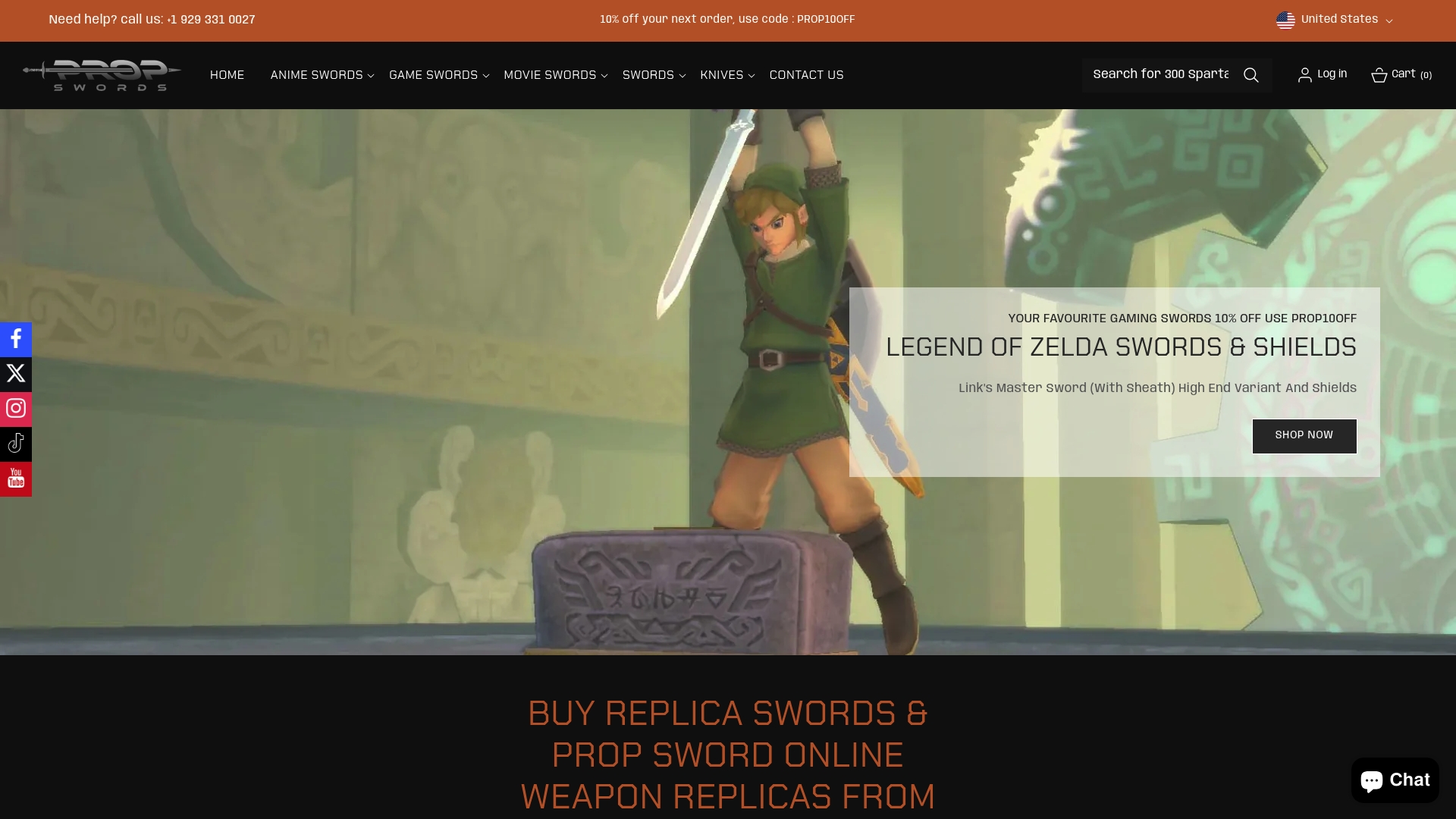
Each replica listing specifies construction details, helping you make informed decisions about tang type, steel grade, and intended use. The site's buying guides walk through material differences and maintenance requirements, ensuring your investment matches your collecting goals. Pro Tip: Before purchasing any replica, review the material specifications and tang construction details to confirm the piece meets your durability and authenticity standards.
Explore choosing replica swords tips for detailed guidance on matching replicas to your specific needs, whether you're building a display collection or preparing for cosplay events. Visit Propswords to browse the full catalog and find the fantasy blades that speak to your favorite stories and characters.
Frequently asked questions
What materials are used in high-quality fantasy sword replicas?
High-quality functional replicas use carbon steel with full tang construction, providing durability and proper weight balance for handling. Display-focused replicas often employ stainless steel with partial tangs, prioritizing visual accuracy over structural strength. Carbon steel requires regular maintenance to prevent rust but offers authentic weight and flexibility. Check replica sword materials specifications before purchasing to ensure the construction matches your intended use.
Why do fantasy swords often ignore real-world sword physics?
Fantasy creators favor oversized designs that symbolize heroism and magical power rather than practical combat effectiveness. This artistic license enhances visual storytelling and narrative themes, making heroes appear larger than life. Impractical proportions signal that characters operate beyond normal human limitations, either through supernatural strength or magical enhancement. The dramatic visual impact outweighs realism in fantasy contexts where symbolism drives design choices.
How do anime swords reflect character development?
Anime swords symbolize character growth by manifesting wielders' inner spirits and personal philosophies through unique abilities. Zanpakutō in Bleach literally embody soul reapers' personalities, requiring psychological understanding to unlock true power. Blade transformations and new techniques mirror protagonists overcoming internal conflicts and achieving self-realization. The sword becomes a visual representation of the character's journey, with mastery reflecting psychological maturity. Explore famous anime sword replicas to see how these symbolic designs translate into collectible forms.
What's the difference between aesthetic and functional sword replicas?
Aesthetic replicas prioritize visual accuracy for display and cosplay, using lighter materials and simpler construction. Functional replicas employ combat-grade materials with full tang construction, designed to withstand stage combat or martial arts practice. Aesthetic pieces typically cost less but can't handle physical stress, while functional replicas command higher prices due to superior craftsmanship and materials. Your intended use determines which category suits your needs, with display collectors favoring aesthetics and practitioners requiring functional durability.
How can collectors avoid low-quality mall swords?
Avoid replicas with rat tail tangs, zinc alloy fittings, or vague material descriptions that signal poor construction. Reputable sellers clearly specify steel type, tang construction, and intended use limitations. Research maker reputations through collector communities and examine customer photos rather than relying solely on marketing images. Price often indicates quality, with suspiciously cheap replicas cutting corners on materials and construction that compromise both safety and longevity.