

Choosing the right sword for your collection can feel overwhelming when faced with countless replicas, historical pieces, and fantasy designs flooding the market. Whether you're drawn to medieval European blades, anime-inspired katanas, or movie replicas, distinguishing authentic quality from cheap imitations requires a systematic approach. This comprehensive checklist breaks down the essential criteria you need to evaluate authenticity, craftsmanship, and value across all sword categories. You'll learn exactly what to inspect, which red flags to avoid, and how to make confident purchasing decisions that protect your investment and enhance your collection.
Table of Contents
- Criteria For Authentic Historical Swords
- Checklist For Replica Swords: Medieval, Fantasy, And Anime
- Using The Oakeshott Typology For Sword Identification
- Price Benchmarks And Collector Considerations For 2026
- Explore Premium Sword Replicas And Expert Guides
Key takeaways
| Point | Details |
|---|---|
| Authentication essentials | Authentic historical swords require verified provenance, metallurgical analysis, and expert certification to confirm legitimacy. |
| Replica quality markers | Full tang construction, balanced weight between 2.5 and 3.5 pounds, and high-carbon steel indicate superior replica craftsmanship. |
| Oakeshott classification | This typology system categorizes medieval swords by blade shape and era, essential for verifying historical accuracy. |
| Price spectrum awareness | Authentic swords range from $3,600 to over $1.2 million while quality replicas typically cost $480 to $3,600. |
| Licensed vs generic designs | Licensed replicas from anime and movies cost more but deliver screen-accurate details and proper intellectual property rights. |
Criteria for authentic historical swords
When evaluating genuine historical European swords, you need a methodical approach that examines multiple authentication factors simultaneously. The blade characteristics, hilt components, metallurgical analysis, provenance research, and condition grading form the foundation of any serious authentication effort.
Start with blade construction details. Examine the tang where the blade extends into the handle, looking for period-appropriate forging techniques rather than modern welding or attachment methods. Fuller patterns should match the documented styles of specific eras, and the overall blade profile must align with Oakeshott typology classifications for the claimed period. Inconsistencies here immediately raise authenticity questions.
Hilt components tell their own story. Pommel forge marks can reveal the maker or region of origin when cross-referenced with historical records. Grip materials should show natural aging consistent with centuries of existence, not artificial distressing applied yesterday. Guards must reflect era-specific designs, as styles evolved significantly across different periods and regions.
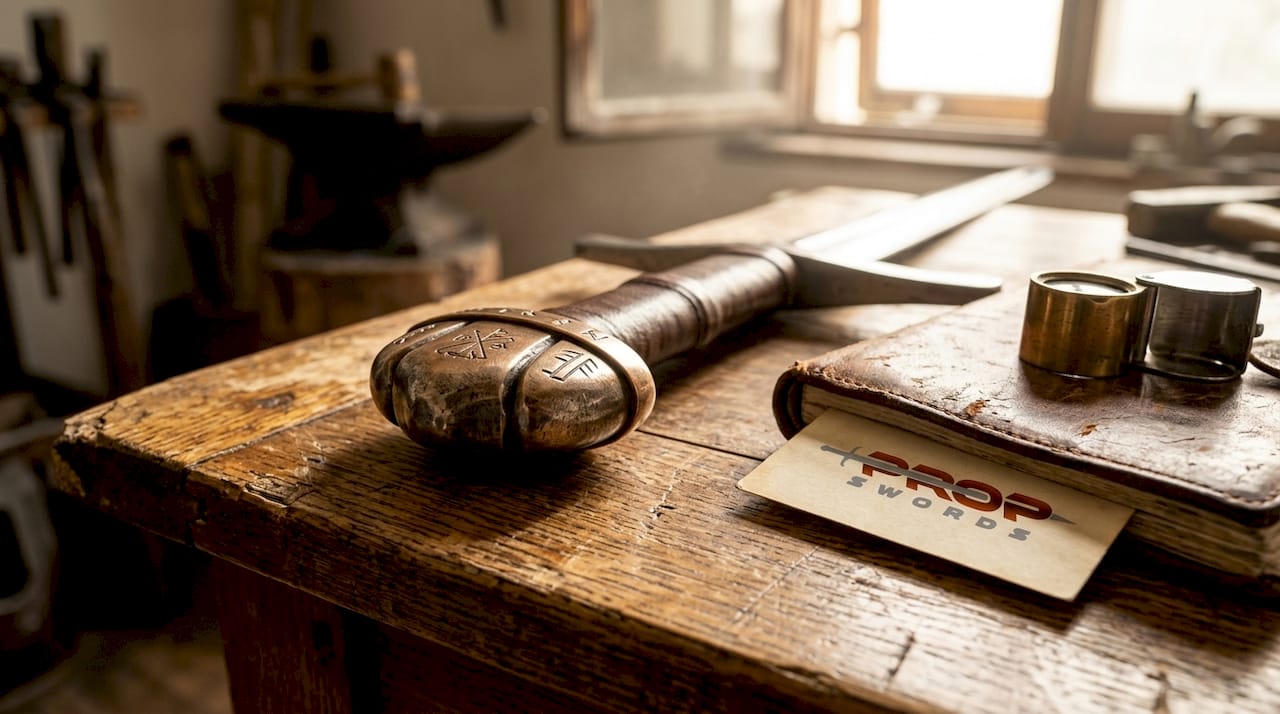
Metallurgical features provide scientific validation. Natural corrosion patterns develop over centuries in ways that modern faking cannot perfectly replicate. Authentic hamon lines on Japanese blades result from differential hardening during forging, visible under proper lighting. Pattern-welding in Viking and early medieval swords creates distinctive layered Damascus patterns that require specific historical techniques.
Pro Tip: Always request independent metallurgical testing for high-value purchases. X-ray fluorescence analysis can reveal modern steel compositions that instantly expose fakes, and this testing costs far less than buying a fraudulent sword.
Provenance and certification separate valuable pieces from expensive mistakes. Documented ownership history, auction records, and museum exhibition catalogs provide verification trails. However, fake documentation exists, so verify certificates through the issuing organizations directly. Consult recognized experts who specialize in the specific sword type and era before finalizing significant purchases.
Condition grading follows standardized scales:
- Mint: No damage, original finish intact, extremely rare
- Excellent: Minor wear, no structural issues, highly collectible
- Good: Moderate wear, stable condition, displayable
- Fair: Significant wear, possible repairs, study pieces
- Poor: Heavy damage, incomplete, parts or restoration projects
Checklist for replica swords: medieval, fantasy, and anime
Replica swords serve different purposes than authentic pieces, whether for display, cosplay, or functional training. Your evaluation criteria shift toward construction quality, material selection, and design accuracy rather than historical provenance.
Tang construction determines durability and safety. Full tang designs extend the blade metal through the entire handle length, providing maximum strength for handling and display. Rat tail tangs use a thin rod that creates weak points prone to failure. Stick tangs fall somewhere between, adequate for wall display but risky for any handling or light use.
Material choices impact both aesthetics and functionality. High-carbon steel offers authentic weight, proper balance, and the ability to hold an edge if you plan training use. Stainless steel works beautifully for display pieces, resists corrosion without maintenance, but lacks the authentic heft serious collectors prefer. Damascus steel provides stunning visual patterns and premium quality, though it commands higher prices reflecting the complex forging process.
Weight and balance separate quality replicas from cheap imports. Most historical swords weighed between 2.5 and 3.5 pounds, far lighter than Hollywood suggests. The balance point should sit 2 to 4 inches above the guard for proper handling dynamics. Pick up the sword and move it through basic cuts to assess whether it feels nimble or clumsy.
Design accuracy matters intensely for licensed replicas. Screen-used props often have specific dimensions, guard shapes, and decorative elements that fans instantly recognize. Generic knockoffs miss these details, creating disappointing pieces that fail to capture the source material. Check for proper maker marks, official licensing stamps, and certificates of authenticity that verify legitimate production.
Pro Tip: Shake the sword gently near your ear. Any rattling indicates loose components, poor assembly, or inadequate tang construction. Quality replicas remain completely silent because every component fits precisely.
Distinguish your intended use category:
- Cosplay swords: Lightweight, safe edges, prioritize appearance over function
- Display swords: Balanced aesthetics and construction, museum-quality finish
- Functional HEMA: Combat-ready steel, proper flex, designed for controlled sparring
Choosing the right category prevents disappointment and ensures your sword serves its intended purpose effectively.
Using the Oakeshott typology for sword identification
The Oakeshott typology categorizes medieval swords by blade shape, fuller design, cross-section, and intended use, creating a standardized language for collectors and historians. Ewart Oakeshott developed this classification system through decades of studying surviving medieval weapons, and it remains the definitive framework for European sword identification.
The typology spans Types X through XXII, each representing distinct blade characteristics from specific historical periods. Type XII swords feature broad cutting blades common between 1150 and 1320 CE, designed for powerful slashing attacks against mail armor. Type XIII emerged as armor improved, featuring more acute points for thrusting. Type XIV represents the transition toward specialized thrusting swords as plate armor became prevalent.
This system helps you verify era claims and assess authenticity when examining historical pieces. If someone offers a "12th century sword" with Type XVIII characteristics that didn't appear until the 15th century, you've caught either an honest misidentification or deliberate fraud. Cross-referencing blade features against documented typology standards provides objective authentication data.
Replica makers use Oakeshott classifications to guide historically accurate reproductions. When you see a replica marketed as "Type XIIIa longsword," the maker signals their commitment to period-correct proportions, blade geometry, and handling characteristics. This specificity indicates serious craftsmanship rather than generic "medieval sword" productions.
| Oakeshott Type | Era | Blade Profile | Primary Use |
|---|---|---|---|
| X | 900-1200 CE | Broad, parallel edges | Cutting, cavalry |
| XII | 1150-1320 CE | Wide cutting blade | Slashing vs mail |
| XIII | 1250-1350 CE | Acute point, narrow | Thrust and cut |
| XVIII | 1450-1550 CE | Long, stiff, tapered | Thrusting plate armor |
Understanding these classifications transforms you from a casual buyer into an informed collector who can evaluate claims critically and appreciate authentic historical details.
Price benchmarks and collector considerations for 2026
The sword market spans an enormous price spectrum reflecting authenticity, rarity, condition, and historical significance. Authentic historical swords range from $3,600 to over $1.2 million depending on provenance and uniqueness, while quality replicas typically cost between $480 and $3,600.
Notable auction results establish market benchmarks. Masamune katanas, crafted by Japan's legendary 14th-century swordsmith, have sold for multiple millions when authenticated examples reach auction. Medieval European swords with documented noble ownership or battlefield history command $30,000 to $120,000. Viking Age swords with intact pattern-welded blades and verified archaeological provenance sell for $50,000 to $200,000.
Replica pricing reflects construction quality and licensing costs. Entry-level display pieces start around $480 for basic stainless steel with acceptable aesthetics. Mid-range replicas using high-carbon steel, full tang construction, and careful finishing cost $1,200 to $1,800. Premium historical reproductions crafted by master smiths using period-accurate techniques reach $3,000 to $3,600.
Licensed anime and movie replicas add intellectual property costs. Official Lord of the Rings swords cost $360 to $1,200 depending on the specific design and production run. Licensed anime katanas from popular series range from $480 to $1,500. These premium prices buy screen-accurate details, proper materials, and legitimate rights rather than copyright-infringing knockoffs.
| Sword Category | Price Range | Key Value Factors |
|---|---|---|
| Authentic Medieval | $3,600-$120,000+ | Provenance, condition, rarity, historical significance |
| Authentic Japanese | $12,000-$1,200,000+ | Smith attribution, period, blade condition, documentation |
| Quality Replicas | $480-$3,600 | Materials, tang type, finish quality, historical accuracy |
| Licensed Replicas | $360-$1,500 | Official licensing, screen accuracy, production quality |
Smart collectors prioritize provenance and certification over superficial appearance. A plain, well-documented historical sword outvalues a flashy piece with questionable origins. Buy from reputable dealers who offer return policies, authentication guarantees, and expert consultation. Budget for proper maintenance including oil, display cases, and periodic conservation work that preserves value long-term.
Explore premium sword replicas and expert guides
Now that you understand the essential criteria for evaluating both authentic and replica swords, finding a trusted source becomes your next priority. Propswords specializes in high-quality replica swords spanning anime, movie, and historical categories, offering collectors and enthusiasts carefully crafted pieces that meet the standards discussed throughout this guide.
Every sword in the collection undergoes rigorous quality control checking tang construction, material specifications, weight balance, and design accuracy. Whether you're searching for a licensed anime katana that captures every screen detail, a medieval longsword reproduction built to Oakeshott specifications, or a movie replica that brings fantasy to life, you'll find options backed by craftsmanship insights and authentication guidance. The site provides detailed specifications, material breakdowns, and expert recommendations that help you select pieces matching your specific collecting goals, display requirements, or cosplay needs with confidence.
FAQ
What are the best ways to verify the authenticity of a historical sword?
Start by examining provenance documentation including previous ownership records, auction catalogs, and any museum exhibition history. Request independent metallurgical testing through X-ray fluorescence analysis to confirm period-appropriate steel composition rather than modern materials. Consult recognized experts who specialize in the specific sword type and era, as they can identify subtle details that separate authentic pieces from sophisticated reproductions. Always verify authentication certificates directly with the issuing organizations rather than trusting documents at face value.
How important is the Oakeshott typology for collectors?
The Oakeshott classification system provides essential framework for identifying medieval European sword types by era, blade geometry, and intended use. It allows you to verify whether a sword's physical characteristics match its claimed historical period, catching misattributions or fraudulent dating. For replica collectors, understanding these typology standards helps you evaluate whether reproductions achieve historical accuracy or simply approximate medieval aesthetics. Serious collectors use this system as a common language when discussing acquisitions, valuations, and authentication questions.
What should I look for when buying an anime or movie sword replica?
Prioritize full tang construction that extends the blade metal through the entire handle for maximum durability and safety during handling. Verify the sword features balanced weight between 2.5 and 3.5 pounds with a balance point 2 to 4 inches above the guard for proper handling dynamics. Check whether the replica carries official licensing from the source material, ensuring screen-accurate details and legitimate intellectual property rights. Assess build quality by examining finish consistency, component fit without rattles or gaps, and material specifications that match your intended use for display, cosplay, or light training.
How do I maintain and preserve my sword collection?
Apply a thin coat of mineral oil or specialized sword oil to carbon steel blades every few months to prevent rust and corrosion. Store swords in climate-controlled environments away from extreme temperature fluctuations and high humidity that accelerate deterioration. Use padded display racks or wall mounts that support the sword properly without stressing the tang or blade. Handle pieces with clean, dry hands or cotton gloves to avoid transferring skin oils that cause corrosion over time. For authentic historical pieces, consult professional conservators before attempting any cleaning or restoration work that might damage original patina and reduce collector value.